How Santa Fe's High Elevation Shapes Daily Life for Residents
How Santa Fe's High Elevation Shapes Daily Life for Residents
The Short Version
Santa Fe's 7,000-plus-foot elevation affects climate, health, housing costs, outdoor access, and transportation, shaping residents' daily routines and choices.
Understanding Santa Fe’s Unique Setting and Climate
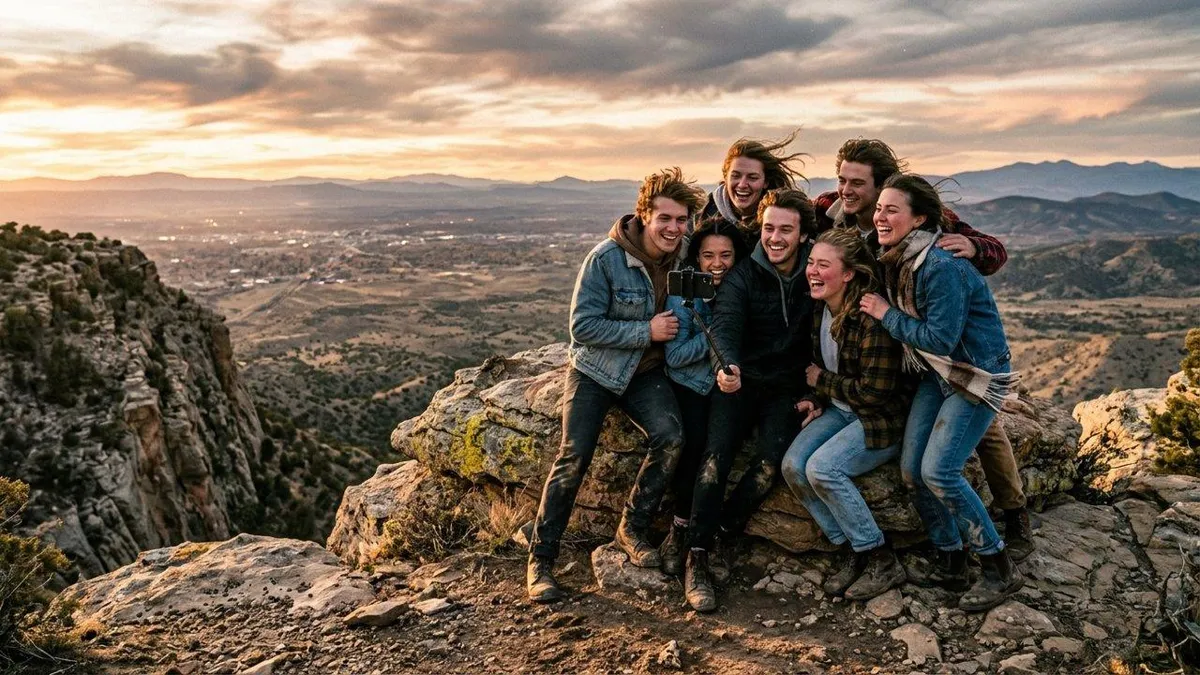
Santa Fe sits over 7,000 feet above sea level in the foothills of the Sangre de Cristo Mountains. This high elevation creates a high-desert environment defined by cooler winters, lower humidity, and frequent sunshine. Residents experience about 300 days of sun each year, but weather can shift rapidly with altitude.
The city’s altitude also influences daily comfort and health, especially for those acclimating to less oxygen. Some people experience mild altitude sickness, particularly after recent relocation. The thinner atmosphere intensifies sun exposure and can dry out skin and eyes more quickly.
Relocating to Santa Fe means planning for these environmental effects. Assessing climate, elevation, local infrastructure, city layout, and Santa Fe’s regional culture is essential before moving, since these factors shape daily living far more than in lower-elevation cities.
What the Housing Market Looks Like in 2026
Santa Fe’s 2026 housing market is defined by relatively high prices and distinctive Southwestern architecture. Median sale prices are reported at $525,000 to $580,000, often varying by proximity to the historic downtown plaza and by property type. Rentals average $1,800 to $2,200 monthly, and low-maintenance condos and townhomes are attractive options for both full-time and part-time residents.
Most neighborhoods feature adobe, Pueblo Revival, and Territorial homes, sometimes in historic districts that enforce strict exterior design rules. Buyers of properties over $1,029,000 face an additional high-end excise tax, and each part of the city comes with its own feel and price points.
- Home values are typically higher closer to the downtown plaza.
- Adobe and Pueblo Revival styles dominate older neighborhoods.
- Historic districts may limit exterior home alterations.
- Condos and townhomes appeal to buyers seeking easier maintenance.
The True Cost of Living, Taxes, and Ownership
Santa Fe’s overall cost of living sits above state and national averages, driven largely by housing costs. Groceries, utilities, and winter heating costs - higher in the high desert - also contribute.
The city uses New Mexico’s fractional property-tax assessment, setting taxable value at a third of market value, with an effective rate near 0.54%. Income tax rates run from 1.7% to 5.9% depending on income. Insurance is another consideration, especially for homeowners near forest boundaries who need wildfire coverage.
Beyond taxes and utilities, the local living wage is $15.40 an hour. Ownership costs demand careful planning, and buyers are wise to verify exact tax amounts, insurance requirements, and anticipated utility needs before purchasing.
- Housing prices make up most of Santa Fe’s higher living costs.
- Winter heating can add to expenses in colder months.
- Fractional property tax reduces assessed value for local taxation.
- Wildfire insurance is sometimes required near forest edges.
- Grocery and utility costs remain above national averages.
Life, Community, and Amenities at Altitude
Santa Fe offers abundant outdoor options, like Fort Marcy Park, the Santa Fe Plaza, Dale Ball Trails, and Santa Fe National Forest. The city’s proximity to the Ski Basin - just 16 miles from downtown - means both winter and summer recreation are at your doorstep.
The city’s culture blends outdoor recreation with celebrated arts and vibrant food scenes. Daily life revolves around events at public green spaces, recreation centers, galleries, and markets. Residents engage with a diverse local economy fueled by government, tourism, and technology sectors.
Health care is accessible, anchored by Christus St. Vincent Regional Medical Center and a network of clinics and private practices. While the higher elevation offers wellness benefits for many, some need time to acclimate, and those with preexisting conditions should consult a healthcare provider before strenuous activity.
The altitude touches nearly every aspect of daily life, from how you breathe to where you settle.
Transportation Patterns and Commuter Realities
Most residents rely on cars for day-to-day travel, with commute times usually between 21 and 25 minutes. I-25 and US-84/285 serve as primary corridors, but summer tourism can add noticeable congestion - especially near the plaza.
Public transit is available through the Santa Fe Trails bus system and the Rail Runner Express to Albuquerque, though service is less extensive than in larger metros. Newcomers should allow themselves time to adjust to the altitude before tackling steep outdoor trails, particularly if they’ve arrived from much lower elevations.
High Elevation: What Newcomers Need to Know
The altitude impacts more than health: even routine activities like grocery shopping, gardening, and household maintenance feel different here. It’s common to notice effects on stamina, hydration needs, and even how quickly food cooks.
Plan on an acclimation period and ask local providers about tips for adjusting. Sun protection and hydration are especially important. Local shops and the community can offer advice tailored to Santa Fe’s climate and elevation challenges.
The Role of Elevation in Santa Fe’s Daily Rhythm
Santa Fe’s 7,000-foot elevation influences everything from outdoor routines to real estate decisions. Daily life is shaped by the interplay of high-desert weather, light, and terrain, making each neighborhood unique.
Whether you’re drawn to outdoor adventure, creative pursuits, or quiet mountain living, understanding the effects of altitude will shape a smoother transition. Many residents report that the high desert soon feels like home, with distinctive rhythms and traditions shaped by place.
The combination of environment, culture, and amenities ensures Santa Fe’s elevation remains a defining part of life. Recognizing these influences up front can help you find the right fit - and thrive at altitude.
This article is based on available housing, cost, and local data through July 2026 and does not replace advice from a tax or medical professional. Verify specifics with local authorities.