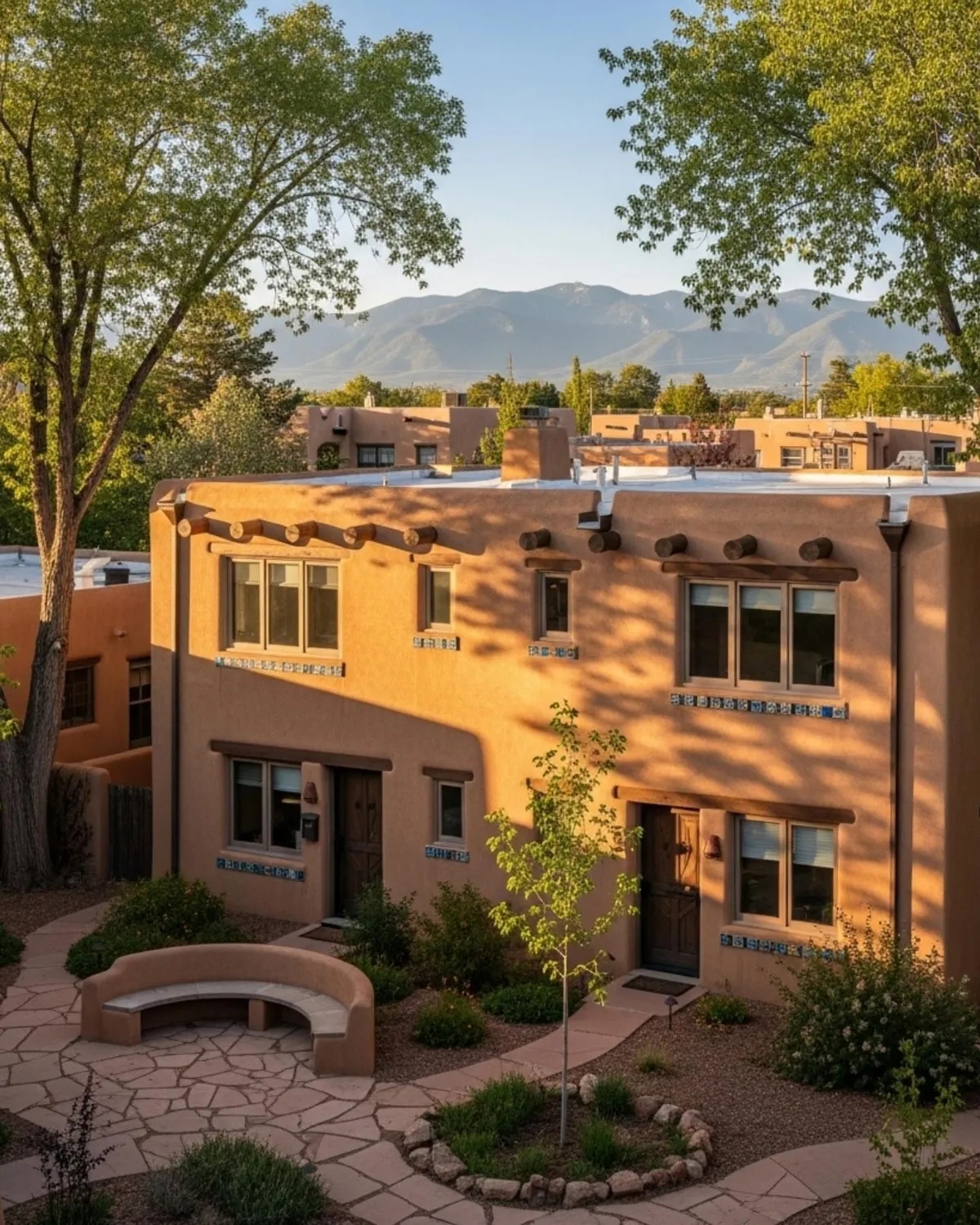
How Santa Fe’s Affordable Housing Trust Fund Decisions Become New Housing
How Santa Fe’s Affordable Housing Trust Fund Decisions Become New Housing
The Short Version
Affordable Housing Trust Fund awards start with city commission recommendations, then require final City Council approval before any construction can begin. Actual build-out depends on city, county, federal, and state funding, project readiness, and developer follow-through.
How local funding recommendations are made
Santa Fe’s Affordable Housing Trust Fund provides the city’s main local source of money for affordable housing projects. Applications from developers and nonprofits are reviewed by the Community Development Commission, which issues recommendations on where funds should go.
In 2026, there was debate over how to allocate $2.5 million among several nonprofit-led projects, including affordable townhomes, rental housing, and infrastructure for homeownership. One group recommended funding three projects; another suggested restarting the process under earlier rules, which delayed commitments.
The City Council must approve all final funding decisions. Their choices, along with policy changes and eligibility checks, determine when - or if - a project actually moves from proposal to construction.
Multiple public funding channels for affordable housing
Santa Fe’s housing strategy uses not just city money, but also federal and state sources. This layering of funding adds resources but also complexity for applicants.
- Community Development Block Grant (CDBG) funds are planned for housing but depend on the final federal allocation.
- Santa Fe County offers gap loans for affordable housing, especially projects ready to build soon.
- State capital-outlay dollars are used for site infrastructure, not directly for homes.
- Project eligibility and selection focus on readiness, matched funds, and need for every channel.
What these decisions mean for buyers and renters
Support for affordable rental and ownership housing could create more choices for households within income limits. That includes both new rentals and affordable homes for purchase.
- Renters earning up to 80% of area median income could benefit from expanded affordable rental supply.
- Moderate-income buyers, up to 120% of area median, might see new opportunities for homeownership.
- Project delays can mean uncertain timelines for when units are available.
- Infrastructure and gap loans may help projects proceed despite high building costs.
- The actual number and delivery date of affordable units are not set at funding decision time.
How sellers and homeowners may be affected
More affordable housing could give sellers a broader pool of potential buyers as new residents become homeowners. This might support community stability, but documented price effects are not clear.
Santa Fe’s updated fee-in-lieu for rental projects means developers pay more if they don’t build affordable units, which can push more projects toward mixed-income models but also affect development costs.
Current data do not show how these policies impact resale values or homeowner competition, so any predicted effects on seller gains or home appreciation remain unproven.
Public funding and readiness drive what gets built, but final council approval and project alignment are what actually move housing plans off paper.
Key considerations for investors and developers
For developers, public funding can help fill gaps and make affordable projects viable, especially when combined with other financing and demonstrated project readiness. However, delays or uncertainty in city decisions create risks around timing and feasibility.
Rising fee-in-lieu payments change the economics for rental developers, making it harder to build only market-rate units without affordable components. This could redirect investment toward mixed or fully affordable projects, or in some cases, pause projects until rules and funding are stable.
Neighborhood-level effects and future tradeoffs
Projects funded in recent cycles aim to build in areas like the south side, with new townhomes, senior rentals, and homeownership infrastructure expanding Santa Fe’s mixed-income landscape. These developments could support more diverse and age-integrated neighborhoods.
However, policies like higher fee-in-lieu payments do not guarantee affordable units inside every new project. For example, a 170-unit senior development near Beckner Road will pay the fee instead of including affordable apartments.
Infrastructure bottlenecks, such as roads and utilities, are often just as limiting as construction costs. County capital-outlay funds focus on these issues, but long-term effects on transit, schools, or neighborhood services depend on many factors.
What to watch as funding turns into construction
Affordable housing decisions in Santa Fe blend policy choices, funding availability, and project readiness. A project with city funding but unresolved policies or council approval may still face delays before breaking ground.
Combined public funds can help projects become feasible but require alignment of multiple channels, so a stall at the city or county can ripple through the timeline.
For buyers, sellers, investors, and residents, the overall impact of these programs hinges on follow-through: construction starts, timely completions, and the match between planned units and actual neighborhood needs.
This article is based on published funding decisions and policy descriptions for Santa Fe as of late 2026. For details on a specific project or future policy changes, consult city and county documents directly.